












Preserving India’s Temples: How Crowdfunding Helps Renovation

Discover how Temple Crowdfunding is helping the Renovation in India, preserving ancient heritage. Learn about platforms and success stories. Support vital temple restoration efforts now!
Introduction: The Urgent Need for Temple Renovation in India
India’s temples are not merely places of worship; they are living testaments to an ancient civilization, pulsating with centuries of history, art, and spiritual devotion. From the rock-cut caves of Ajanta and Ellora to the towering gopurams of the South, these sacred structures are invaluable repositories of architectural marvels, intricate sculptures, fading frescoes, and a rich tapestry of cultural traditions. They have historically served as epicenters of community life, learning, and artistic expression, deeply embedded in the social and spiritual fabric of the nation. However, the ravages of time, combined with inadequate resources, pose a grave threat to this irreplaceable heritage. Many temples, some dating back over a thousand years, face severe structural decay, crumbling stone, and vanishing murals due to prolonged exposure to weather, environmental pollution, and a dire lack of consistent maintenance. The traditional funding mechanisms, once sustained by royal patronage or generous endowments, have largely dwindled, leaving countless temples struggling with crippling underfunding. Government grants, while present, are often insufficient to cover the extensive and specialized restoration work required, which can run into crores of rupees for a single major project. This critical deficit in resources means that India risks losing not just buildings, but tangible links to its past, its artistic legacy, and its spiritual soul. Recognizing this urgent crisis, innovative solutions are becoming vital. This article explores How Temple Crowdfunding is helping the Renovation in India, offering a beacon of hope for preserving these magnificent monuments for future generations. It’s a collective effort to save a shared legacy, one brick, one fresco, one prayer at a time. The immense scale of the problem necessitates community involvement and modern approaches to bridge the financial gap and ensure these heritage sites continue to inspire.
The Historical and Cultural Significance of Indian Temples
Indian temples are far more than mere edifices of worship; they are vibrant repositories of India’s profound historical and cultural heritage. These sacred structures have stood for centuries, serving as epicenters of spiritual life, community gatherings, and artistic expression. Their intricate architecture, from the soaring gopurams of the South to the delicate spires of the North, narrates tales of ancient civilizations, diverse artistic styles, and sophisticated engineering. Within their hallowed walls, temples preserve invaluable sculptures, traditional art forms, and ancient scriptures, acting as living museums of India’s rich past. They are crucial to understanding regional identities, social customs, and philosophical traditions that have shaped the subcontinent. This deep-rooted significance underscores why their preservation is not just an aesthetic concern but a cultural imperative. Recognizing this, understanding how Temple Crowdfunding is helping the Renovation in India becomes essential to safeguarding these irreplaceable treasures for future generations.
The Challenges of Decay, Neglect, and Underfunding
Many of India’s sacred temples face a dire struggle against time and neglect. Centuries of exposure to harsh monsoons, scorching sun, and environmental pollution have caused significant structural damage. Intricate carvings erode, ancient foundations weaken, and vibrant murals fade, threatening the very fabric of these cultural keystones. Beyond natural decay, many temples suffer from chronic underfunding. Traditional sources of patronage have dwindled, and government allocations often fall short of the enormous costs associated with skilled heritage restoration. This financial deficit leads to prolonged neglect, accelerating deterioration and making preservation efforts even more challenging. The lack of resources means routine maintenance is often overlooked, pushing many structures to the brink of collapse. This critical situation highlights the urgent need for innovative solutions, illustrating precisely How Temple Crowdfunding is helping the Renovation in India by addressing these pervasive challenges head-on. Without intervention, countless architectural marvels and their rich legacies risk being lost forever.

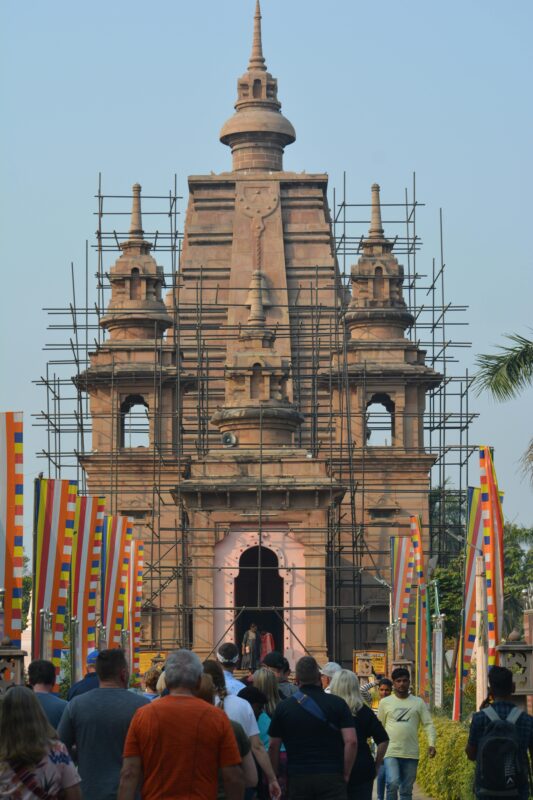
Photo by Damini on Unsplash
What is Temple Crowdfunding and How it Helps Renovation in India?
Temple crowdfunding is a modern evolution of India’s venerable tradition of collective giving, or chanda, specifically aimed at preserving sacred sites. It leverages digital platforms to pool small contributions from a vast network of donors, both locally and globally, for temple renovation. These online campaigns meticulously detail the project: architectural plans, budget specifics, and the historical significance of the temple. Donors can easily access these details, choose a project that resonates with them, and contribute securely online. This transparency and accessibility are fundamental. They build trust and significantly boost participation, directly illustrating how Temple Crowdfunding is helping the Renovation in India. Temple trusts or dedicated non-profits establish profiles on specialized platforms, outlining dire repair needs—from structural restoration to roof replacement or adding essential facilities. The predominant model for sacred sites is donation-based crowdfunding. Contributions are driven by pure devotion (bhakti) or a desire to safeguard cultural heritage, without financial return expectations. While some campaigns offer symbolic acknowledgments, altruism is the primary motivator. This collective approach connects ancient temples, often in remote, decaying conditions, with a global community of benefactors. It overcomes geographical barriers, vastly expanding traditional fundraising reach. By aggregating countless smaller donations, ranging from modest sums to substantial contributions, temples acquire the capital needed for extensive restoration. This potent collective financial power is precisely how Temple Crowdfunding is helping the Renovation in India, ensuring these invaluable spiritual and architectural marvels endure for posterity.
Defining Crowdfunding in the Context of Temple Preservation
Crowdfunding, at its core, is a collective fundraising effort, soliciting small monetary contributions from a large number of individuals. In the context of temple preservation, this model takes on profound cultural and spiritual significance across India. Rather than solely relying on a few large donors or limited government grants, temple crowdfunding initiatives leverage digital platforms and community outreach, tapping into the devotion and generosity of individuals worldwide. These campaigns specifically gather funds for critical renovation needs: structural repairs, intricate carving restorations, roof leak fixes, and general upkeep of often deteriorating temple complexes. This decentralized approach is fundamentally transforming How Temple Crowdfunding is helping the Renovation in India. It empowers ordinary devotees, both local and from the diaspora, to directly contribute to the physical preservation of these sacred spaces. For instance, a temple might launch an online campaign to raise 50 lakh rupees for restoring a collapsing gopuram, inviting contributions from just a few hundred rupees. This inclusive model not only provides crucial financial resources but also fosters a deep sense of shared ownership and collective responsibility for India’s rich cultural and spiritual heritage.
The Mechanics of Online Platforms for Temple Renovation Funds
The digital age has profoundly transformed the landscape of spiritual fundraising. Online crowdfunding platforms now stand as essential conduits, linking devotees globally with Indian temples urgently requiring renovation. Temples, or authorized trusts, initiate dedicated project pages outlining their specific restoration needs. These pages are enriched with detailed descriptions, architectural plans, compelling before-and-after visuals, and proposed timelines. Donors can meticulously review projects, understanding precisely how their contribution will be utilized. Crucially, secure payment gateways facilitate diverse domestic and international donation methods, ensuring a frictionless process. Transparency is a cornerstone; platforms often provide real-time updates on funding milestones, material acquisitions, and construction progress. This comprehensive digital infrastructure clearly demonstrates how Temple Crowdfunding is helping the Renovation in India. It democratizes philanthropy, allowing individuals to contribute any amount, from any location, collectively accelerating the preservation of India’s invaluable spiritual heritage. These mechanics build trust and foster widespread participation, channeling vital resources towards critical restoration.

Photo by Abhay Singh on Unsplash
Types of Crowdfunding Models for Sacred Sites in India
Sacred sites across India effectively utilize various crowdfunding models to fund crucial renovations. The most common and impactful is donation-based crowdfunding, where individuals contribute purely out of devotion and a desire to preserve cultural heritage, without any expectation of financial return. This direct, altruistic approach is central to understanding How Temple Crowdfunding is helping the Renovation in India, enabling communities globally to pool resources for extensive restoration projects. For instance, a small temple in Karnataka might raise funds for a new roof, or a larger historical shrine might seek support for intricate mural restoration. Another increasingly popular method is reward-based crowdfunding. In this model, donors receive non-monetary acknowledgements like special prayers, mentions on temple plaques, or small handcrafted religious items. These tokens of appreciation foster a deeper connection and encourage broader participation. By strategically implementing these models, temple trusts gain flexibility. They can tailor campaigns that resonate deeply with their specific needs and the fervent devotion of their followers, demonstrating precisely How Temple Crowdfunding is helping the Renovation in India by securing vital, sustained support for architectural preservation.
Why Crowdfunding is a Game-Changer for India’s Temple Renovation Efforts
Crowdfunding has emerged as a revolutionary force in preserving India’s rich spiritual heritage, fundamentally democratizing the act of temple preservation. Traditionally, large-scale temple renovations relied heavily on government grants, wealthy donors, or established trusts. This often led to delays and a bottleneck effect. Now, individuals from all walks of life, both within India and abroad, can contribute even small amounts. This collective power empowers communities, fostering a profound sense of ownership and responsibility for their sacred spaces. It transforms passive beneficiaries into active participants in cultural preservation. This shift is vital for How Temple Crowdfunding is helping the Renovation in India, effectively bridging critical funding gaps. Many temples, especially those in remote areas or with less visibility, struggle to secure adequate funds through conventional channels. Crowdfunding platforms connect these temples directly with a global network of devotees and heritage enthusiasts. Projects that might have languished for years due to insufficient capital can now quickly gain traction and reach their financial goals. This acceleration means essential repairs are completed faster, preventing further structural decay and preserving intricate artistry. Furthermore, a key advantage of online crowdfunding is its inherent transparency and accountability. Reputable platforms typically provide detailed project descriptions, regular updates on funds collected, and clear outlines of how the money will be utilized. This unprecedented level of oversight builds immense trust among donors. Contributors can see precisely how their donations are making a tangible difference, from repairing a crumbling gopuram to restoring ancient frescoes. This transparency addresses common concerns about fund management in traditional donation models, ensuring that every rupee contributes directly to the temple’s much-needed rejuvenation. Ultimately, this modern approach ensures that India’s spiritual landmarks endure for future generations.
Democratizing Preservation: Empowering the Community
Temple crowdfunding fundamentally democratizes the preservation process, shifting power from traditional, often top-down funding mechanisms to the collective will of millions. No longer solely dependent on a few wealthy patrons or government grants, this model empowers everyday devotees to become direct stakeholders in their heritage. This is precisely how Temple Crowdfunding is helping the Renovation in India, allowing individuals to contribute even modest sums and see their impact magnified. A donation of just 100 rupees (approximately $1.20) can now be a tangible part of a multi-crore renovation project. This widespread participation fosters a profound sense of community ownership and spiritual connection to these sacred sites, both within India and among the global diaspora. It ensures that the future of these ancient structures rests in the hands of the very communities who cherish them most. This bottom-up approach creates a powerful, sustainable, and transparent model where shared purpose drives successful renovation efforts, showcasing how Temple Crowdfunding is helping the Renovation in India by truly empowering its people.
Bridging Funding Gaps and Accelerating Renovation Projects
Traditional funding mechanisms for India’s temples, often reliant on limited government grants or large individual benefactors, frequently struggle to meet the vast financial demands of preservation. This inadequacy leaves countless ancient structures vulnerable to decay, their intricate carvings and rich histories slowly fading. This is precisely how Temple Crowdfunding is helping the Renovation in India by providing a direct and efficient solution. It effectively bridges these critical funding gaps by aggregating numerous small contributions from a global community of devotees, transforming collective faith into tangible resources. Rather than enduring protracted waiting periods for traditional approvals, crowdfunding platforms empower temple committees to kickstart projects with unprecedented speed. For example, a temple requiring specialized restoration work on a crumbling gopuram, costing several lakhs, can now raise the necessary capital in mere months through a well-managed online campaign. This accelerated access to funds bypasses bureaucratic hurdles, dramatically reducing the time from planning to execution and ensuring that vital renovation efforts are not just initiated but swiftly brought to completion, preserving heritage for future generations.
Increasing Transparency and Accountability in Temple Funding
One of the most significant shifts from crowdfunding is the unprecedented level of transparency and accountability it introduces to temple funding. Traditionally, donations sometimes lacked clear oversight, leaving donors uncertain about how their contributions were truly utilized. Crowdfunding platforms directly address this. They require temples to submit detailed project proposals, outlining specific renovation needs, such as structural repairs or intricate idol restoration. Donors can then see precisely how their funds will be used. Platforms often provide progress updates, photos, and even financial reports throughout the renovation process. This direct line of sight builds immense trust among devotees. It ensures every rupee genuinely supports its intended purpose. This enhanced transparency is a cornerstone of how Temple Crowdfunding is helping the Renovation in India. It fosters greater donor confidence and encourages wider participation in preserving these vital cultural landmarks, combating past concerns about fund mismanagement and cultivating a shared sense of ownership.
A Step-by-Step Guide: How to Contribute to Temple Renovation Crowdfunding
Embarking on the journey to support India’s architectural and spiritual heritage through crowdfunding is a rewarding experience, but it requires careful steps to ensure your generosity reaches the right hands. The first crucial step is finding reputable temple crowdfunding platforms in India. Look for established names like Ketto, Milaap, and ImpactGuru, which often host religious and cultural preservation projects, or search for official websites of well-known temple trusts that run their own fundraising campaigns. Always prioritize platforms with transparent operations, clear project listings, and a history of successful campaigns. Once a potential project is identified, verifying its authenticity and potential impact becomes paramount. Scrutinize the project description for detailed renovation plans, architectural renderings, and comprehensive budget breakdowns. Authentic campaigns will provide photos or videos of the temple’s current condition and the proposed work, demonstrating a clear need and actionable strategy. Look for endorsements from local authorities, temple management committees, or heritage organizations. Don’t hesitate to check their contact information or even reach out directly with questions. This due diligence ensures your contribution directly aids genuine preservation efforts. Finally, making a donation is straightforward and secure. Reputable platforms offer various payment options, including credit/debit cards, net banking, and UPI, all safeguarded by robust security measures like SSL encryption. Understand that every contribution, no matter how small, makes a significant difference. Many platforms allow you to donate at various contribution levels, often with unique acknowledgments. Check if the donation is eligible for tax exemption under Section 80G, as this is a common feature for registered charitable trusts. This process highlights How Temple Crowdfunding is helping the Renovation in India by mobilizing collective support with transparency and trust, directly contributing to the ongoing legacy of these sacred sites. It’s a powerful demonstration of how temple crowdfunding is helping the renovation in India through collective devotion.
Finding Reputable Temple Crowdfunding Platforms in India
Choosing the right platform is paramount when considering how temple crowdfunding is helping the renovation in India. With the rise of digital giving, ensuring your contributions reach their intended sacred destination requires careful discernment. Look for platforms that demonstrate absolute transparency regarding fund utilization. Reputable sites will clearly outline the specific renovation project, its estimated costs, and provide regular updates on progress. Verify their legal registration and tax-exempt status in India, as this indicates legitimate operations and accountability. Platforms like Milaap, Ketto, or even dedicated temple trust websites often host campaigns. Beyond the major players, many regional or state-specific charitable organizations with a long history of community service also facilitate such initiatives. Always check reviews, testimonials, and past project successes. A strong track record of completing previous renovations, supported by photographic or financial evidence, is a reliable indicator of trustworthiness. This diligence ensures your generosity genuinely contributes to preserving India’s invaluable architectural and cultural heritage, truly showcasing how temple crowdfunding is helping the renovation in India effectively and ethically.
Verifying Project Authenticity and Potential Impact
Before committing your hard-earned funds, verifying the authenticity and potential impact of a renovation project is paramount. This crucial step ensures your contribution genuinely serves its intended purpose. Always scrutinize the crowdfunding platform’s vetting process. Look for transparent details regarding the temple’s legal registration, the managing trust or committee, and their track record. Reputable initiatives will provide comprehensive information, often including official registration numbers (like under the Societies Registration Act), contact details, and even audited financial reports for larger organizations. Furthermore, examine the project’s specific goals. Are they clearly outlined with detailed plans and realistic timelines? Understanding the projected impact—whether it’s restoring a crumbling dome, repairing a damaged idol, or renovating an entire complex—helps you appreciate how Temple Crowdfunding is helping the Renovation in India. Look for updates and photos from past or ongoing projects, demonstrating a commitment to accountability. This due diligence not only protects your investment but also ensures your support contributes meaningfully to preserving India’s invaluable architectural and cultural heritage.
Making a Donation: Options, Security, and Contribution Levels
Making a contribution to temple renovation through crowdfunding is designed to be both straightforward and secure. Most platforms provide a variety of convenient online payment options, including credit/debit cards, net banking, and UPI, facilitating participation from devotees worldwide. For traditional methods, some campaigns also offer bank transfer details. Security is paramount; reputable platforms employ robust encryption and secure payment gateways, safeguarding your personal and financial information. Donors receive immediate confirmation and often regular updates on project progress, ensuring transparency. Contributions are flexible, ranging from a modest sum for a single brick to more substantial donations for specific structural elements like a gopuram. This flexibility is key to how Temple Crowdfunding is helping the Renovation in India, allowing individuals from all walks of life to unite. Every rupee adds up, demonstrating the collective power of community in preserving these sacred sites. This perfectly illustrates how Temple Crowdfunding is helping the Renovation in India by aggregating countless acts of generosity into tangible progress.
Best Practices for Successful Temple Crowdfunding Campaigns in India
Successful temple crowdfunding in India demands strategic execution. First, Crafting Compelling Narratives and Visual Documentation is paramount. A temple embodies history, faith, and community spirit. Campaigns must articulate this connection: sharing the temple’s unique legacy, its deities’ stories, and its significance to devotees. High-quality visuals are non-negotiable. Professional ‘before’ photos showing disrepair, alongside architectural renderings or ‘after’ visions, are crucial. Videos showcasing the temple’s cultural heritage and restoration urgency deeply move potential donors. This clear visual and narrative turns a simple request into an inspiring call to action, fostering emotional investment.
Equally vital is Ensuring Financial Transparency and Providing Regular Updates. Donors expect clear accountability. Detailed breakdowns of renovation costs (materials, labor) and secure payment platforms are essential. Transparency builds trust. Consistent communication is key. Regular updates—weekly or monthly—via email, campaign pages, or social media, showing progress (new photos, videos) reinforce donor confidence. Seeing their money at work keeps supporters engaged.
Finally, Engaging the Devotee Community and Leveraging Social Media is crucial for amplifying reach. Tap into existing temple committees and global networks. Encourage devotees to become ambassadors, sharing the campaign widely. Platforms like Facebook, Instagram, and WhatsApp are powerful tools. Create shareable content, run live Q&A sessions, highlight donor contributions, and use relevant hashtags. Testimonials from respected community leaders add immense credibility. By fostering a vibrant, connected community, these campaigns powerfully demonstrate How Temple Crowdfunding is helping the Renovation in India, transforming individual donations into a collective preservation effort.
Crafting Compelling Narratives and Visual Documentation
Crafting an emotionally resonant narrative is paramount for any temple crowdfunding campaign. Donors connect with stories, not just structures. Detail the temple’s rich history, its unique architectural features, or its profound spiritual significance to the local community. Clearly articulate the urgent need for renovation, explaining the specific damages and the potential loss if funds aren’t secured. Complement this narrative with high-quality visual documentation. Before-and-after photos, detailed videos of intricate carvings, and drone footage showcasing the temple’s scale dramatically illustrate the project’s scope. Visuals of local devotees sharing their connection further humanize the cause. This transparency is crucial. It builds trust and shows potential donors precisely how Temple Crowdfunding is helping the Renovation in India. Regular updates with new photos and videos also maintain donor engagement and encourage further contributions. Ultimately, compelling stories backed by vivid imagery are indispensable for inspiring widespread support.
Ensuring Financial Transparency and Providing Regular Updates
Ensuring financial transparency is paramount for any successful temple crowdfunding initiative in India. Donors contribute not just money, but their faith and devotion. This demands a clear, itemized budget, detailing exactly where funds will be allocated—from material costs for a new spire to labor for intricate carvings. Regular financial reports, perhaps quarterly or upon reaching significant milestones, must be openly shared on the campaign’s dedicated webpage or social media. Providing consistent updates on the renovation progress is equally vital. This includes posting weekly photos and videos of ongoing work, sharing testimonials from artisans, or offering virtual tours. Such transparency and frequent communication build immense trust among contributors. It shows them precisely how their donations are making a tangible difference. This accountability is central to understanding how Temple Crowdfunding is helping the Renovation in India, fostering a community of engaged supporters. Without this clear line of sight, campaigns risk losing donor confidence. Effectively showcasing progress and financial diligence solidifies the role of how Temple Crowdfunding is helping the Renovation in India by sustaining donor engagement.
Engaging the Devotee Community and Leveraging Social Media
Engaging the devotee community is critical for successful temple crowdfunding. Social media platforms like Facebook, Instagram, and WhatsApp are powerful tools for amplification. Temples can share high-quality photos and videos illustrating the current dilapidated state, contrasting them with visualisations of proposed renovations. This visual storytelling evokes empathy and urgency among potential donors. Regular updates on fundraising progress and milestones keep donors invested and informed, building trust. Live streams of pujas or groundbreaking ceremonies further connect devotees globally, irrespective of their physical location. Creating dedicated hashtags and encouraging devotees to share their personal temple stories can achieve significant viral reach. This transparent and interactive approach clearly demonstrates how Temple Crowdfunding is helping the Renovation in India, transforming individual contributions into collective power. It fosters a deep sense of ownership among the community, ensuring sustained support. This strategic digital outreach significantly helps mobilize widespread support, showcasing precisely how Temple Crowdfunding is helping the Renovation in India by converting online engagement into tangible financial aid for vital restoration projects.
Real-World Impact: Success Stories of Crowdfunded Temple Renovations in India
The real-world impact of How Temple Crowdfunding is helping the Renovation in India is undeniably transformative, breathing new life into structures that are not merely buildings, but vibrant centers of cultural identity and spiritual solace. Across the length and breadth of the country, numerous documented restorations stand as testaments to this collective philanthropic spirit. Consider the intricate stone temples of Karnataka, often centuries old and ravaged by time. Local communities, empowered by digital platforms, have rallied to restore crumbling mandapas and weather-beaten deities. These campaigns frequently highlight the temple’s historical significance, showcasing expert architectural plans and budget breakdowns transparently. The result is often a remarkable cultural revival. Once-neglected sites now host renewed festivals, attract increased pilgrims, and become focal points for educational tours, reconnecting generations with their heritage.
Learning from these exemplary crowdfunding initiatives across India reveals common threads of success. Transparency is paramount; regular updates, often with before-and-after photos or even 3D renderings of proposed restorations, build trust among donors. Effective storytelling, detailing the temple’s plight and its potential rebirth, deeply resonates. Many successful campaigns leverage local volunteers for outreach and secure endorsements from religious leaders or cultural figures. They also demonstrate a clear vision for the renovated temple beyond just aesthetics, outlining plans for community kitchens, educational centers, or skill-development workshops that will benefit the wider population. These holistic approaches transform a simple renovation project into a catalyst for socio-cultural rejuvenation. This consistent dedication and strategic planning clearly illustrate How Temple Crowdfunding is helping the Renovation in India, preserving our invaluable architectural and spiritual legacy for future generations.
Documented Restorations and Their Cultural Revival
The tangible impact of temple crowdfunding in India is strikingly evident in numerous documented restoration projects. Consider the rejuvenation of the 13th-century Sree Padmanabhaswamy Temple in Kerala. A targeted digital crowdfunding drive amassed significant support for intricate mural preservation and structural repairs. Smaller, regionally important sites, like a dilapidated 300-year-old Shiva temple in Karnataka, have also seen complete transformations through collective community funding. These initiatives go beyond mere structural repairs. They breathe new life into heritage sites. Donors, both local and from the global Indian diaspora, witness their contributions directly transforming neglected shrines into vibrant cultural hubs. This clearly illustrates how Temple Crowdfunding is helping the Renovation in India. It restores physical grandeur and revitalizes the spiritual heart of communities. These successful endeavors foster profound cultural revival, increasing local engagement and attracting pilgrims. Ancient traditions and invaluable historical legacies are preserved for centuries to come, showcasing the power of this collective effort.
Learning from Exemplary Crowdfunding Initiatives Across India
India’s architectural marvels, the ancient temples, often stand in dire need of restoration, but securing funds can be a monumental task. Fortunately, innovative approaches are emerging. Across the nation, numerous inspiring initiatives concretely demonstrate how Temple Crowdfunding is helping the Renovation in India. Campaigns for remote Shiva temples in Himachal Pradesh, for instance, have successfully leveraged platforms like Ketto and Milaap. These efforts have raised significant sums from devotees globally, transforming dilapidated structures into vibrant spiritual hubs. Similarly, local communities in Tamil Nadu have harnessed the power of social media. They rally support for restoring intricate gopurams and mandapams. These examples show more than just financial success. They highlight a remarkable collective spirit. Donors, often contributing small amounts, feel a direct connection to the preservation effort. This distributed philanthropy fosters transparency and builds trust within the community, making these crowdfunding models highly effective and replicable for future conservation projects nationwide.
Frequently Asked Questions (FAQs) About Temple Renovation Crowdfunding in India
Identifying legitimate temple renovation campaigns is crucial for donors looking to contribute to India’s rich spiritual heritage. Always look for transparency: legitimate campaigns will clearly outline the temple’s history, the specific renovation work planned, detailed cost breakdowns, and timelines. Check if the temple trust or organizing body is officially registered with government authorities and has a verifiable online presence or physical address. Reputable crowdfunding platforms often vet their campaigns, adding an extra layer of trust. When considering How Temple Crowdfunding is helping the Renovation in India, it’s important to know what your donations typically cover. These funds commonly address critical structural repairs, such as reinforcing foundations, repairing damaged roofs, and restoring ancient walls. They also cover the meticulous work of skilled artisans for intricate carvings, sculptures, and frescoes, often using traditional materials like specific types of stone, wood, or natural dyes. Expenses also include upgrading essential utilities like plumbing and electrical systems, ensuring the temple’s longevity and functionality while maintaining its historical integrity. Furthermore, donations might support the restoration of sacred idols and the creation of accessible facilities for devotees. A key question for many benefactors is whether donations are tax-deductible. In India, contributions to temple renovation projects are often eligible for tax deductions under Section 80G of the Income Tax Act, provided the temple trust or institution is registered and possesses the necessary 80G certification from the Income Tax Department. Donors should always confirm the 80G status with the campaign organizers or the temple authorities directly and retain receipts for tax filing purposes. This ensures your generous contribution not only aids in preserving invaluable cultural sites but also offers potential tax benefits, underscoring How Temple Crowdfunding is helping the Renovation in India in a significant way.
How to identify legitimate temple renovation campaigns?
When considering contributing to a temple renovation campaign, verifying its legitimacy is paramount. Start by examining the transparency of the project details. A trustworthy campaign will provide a detailed breakdown of renovation plans, estimated costs, and a clear timeline. Look for robust information about the temple trust or committee behind the initiative; they should be officially registered and have a verifiable track record. Legitimate campaigns actively communicate progress updates and offer accessible ways for donors to contact them. Choosing a reputable crowdfunding platform also adds a crucial layer of security, as these platforms often perform their own vetting. Seek endorsements from local community leaders, religious authorities, or existing temple management, as their active support signifies a genuine need and proper oversight. Understanding how Temple Crowdfunding is helping the Renovation in India requires diligent scrutiny. Confirm that financial accountability and fund utilization are clearly outlined. This vigilance ensures your valuable contribution truly supports the preservation of India’s spiritual heritage, highlighting how Temple Crowdfunding is helping the Renovation in India effectively.
What kind of expenses does temple crowdfunding typically cover?
Temple crowdfunding plays a vital role in addressing the diverse financial demands of renovation. It covers far more than just surface-level improvements. Funds are primarily directed towards critical structural repairs. This includes reinforcing ancient foundations, mending leaky roofs, and restoring crumbling walls. Donors also support the intricate work of idol restoration, preserving detailed carvings, and reviving fading murals. Such tasks often require highly skilled artisans and traditional, often expensive, materials. Furthermore, crowdfunding initiatives frequently fund essential infrastructure upgrades. Think modern plumbing, reliable electrical systems, and improved accessibility features for all devotees. Even environmental improvements, like rainwater harvesting or waste management systems, are increasingly covered. This clearly illustrates how Temple Crowdfunding is helping the Renovation in India. It provides comprehensive financial support for both urgent repairs and long-term sustainability, ensuring these sacred spaces thrive for future generations.
Are donations to temple renovation projects tax-deductible in India?
Yes, donations to temple renovation projects in India can be tax-deductible, but it hinges on specific conditions. Under Section 80G of the Income Tax Act, 1961, individuals and corporate entities can claim deductions for contributions made to certain funds or institutions. However, it’s crucial that the specific temple or the trust managing its renovation is registered and approved under Section 80G. Not all religious institutions automatically qualify. Donors should always verify if the temple or trust possesses a valid 80G certificate and is authorized to issue donation receipts for tax purposes. This transparency is vital when considering How Temple Crowdfunding is helping the Renovation in India. Projects that offer 80G benefits often attract a wider donor base, as it provides a tangible incentive beyond spiritual merit. Therefore, before contributing to any renovation drive, particularly through crowdfunding platforms, confirm the institution’s 80G status to ensure your donation qualifies for tax relief, thereby maximizing the impact of your support.
Conclusion: The Future of Temple Preservation Through Collective Action
The journey of preserving India’s ancient and revered temples is monumental. However, as we have seen, the collective power of community funding is proving to be a transformative force. Temple crowdfunding platforms have emerged as vital conduits, channeling the devotion and generosity of millions into tangible preservation efforts. This innovative approach addresses critical funding gaps, ensuring that invaluable heritage sites, often neglected or decaying, receive the attention they desperately need. It democratizes philanthropy, allowing individuals from all walks of life, regardless of their financial capacity, to contribute to a shared cause. This model beautifully illustrates how Temple Crowdfunding is helping the Renovation in India, transforming ambitious restoration projects from pipe dreams into reality across the subcontinent. From shoring up crumbling foundations of centuries-old shrines to meticulously restoring intricate carvings and murals, these campaigns breathe new life into sacred spaces. More than just financial transactions, these initiatives foster a profound sense of collective ownership and cultural pride. They are not merely about bricks and mortar; they are about safeguarding spiritual legacies and ensuring that future generations can connect with their roots. The success stories shared throughout this article underscore the immense potential when communities unite for a common purpose. This is not a fleeting trend, but a sustainable pathway forward. To truly secure the future of India’s sacred heritage, this momentum must continue. We must embrace and champion these digital avenues for preservation. Each contribution, no matter how small, adds to a larger tapestry of renewal. Let us all recognize our role as custodians of this priceless inheritance. By continuing to support and participate in temple crowdfunding, we ensure these beacons of culture and spirituality endure for millennia to come, shining brightly for all.
Summarizing the Transformative Power of Community Funding
The digital age has profoundly reshaped cultural preservation in India. How Temple Crowdfunding is helping the Renovation in India showcases the immense, untapped power of collective giving. This innovative approach moves beyond traditional funding models. It democratizes the process, allowing millions to contribute to projects close to their hearts. It’s more than just raising money. It ignites a shared sense of ownership and urgency. Projects that once faced years of delays, often due to bureaucratic hurdles or resource gaps, are now seeing rapid completion. Consider small temples in remote villages; previously overlooked, they now find lifelines through micro-donations pooling into significant sums. This transformative power connects donors directly with urgent needs. It ensures transparency and fosters accountability. The collective action drives not just structural renovation, but also revitalizes faith and community spirit, securing India’s precious architectural and spiritual heritage for future generations.
A Call to Action for Sustaining India’s Sacred Heritage
The magnificent temples of India are more than just architectural marvels; they are living testaments to centuries of faith, art, and community. Yet, countless sacred structures face serious disrepair, threatened by time, weather, and neglect. It is our collective duty to safeguard these invaluable sites for future generations, ensuring their spiritual and cultural continuity. This is precisely how Temple Crowdfunding is helping the Renovation in India. These innovative digital platforms bridge the gap between urgent restoration needs and dedicated devotees or heritage enthusiasts worldwide. Every small contribution, whether it’s for roof repairs in a remote village temple or intricate carving restoration in a historic urban shrine, aggregates into substantial, impactful funding. This democratic model empowers individuals to directly participate in preserving a shared legacy. By embracing these accessible digital solutions, we can collectively ensure that India’s vibrant spiritual and cultural tapestry remains unbroken. Let us unite in this critical mission, protecting these sacred spaces brick by brick, through unified, purposeful action.




Responses