









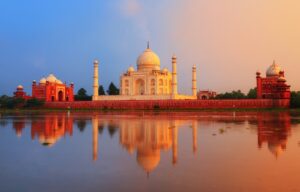
The culture of India is one of the oldest and most diverse in the world. Shaped by thousands of years of history, religion, language, and regional traditions, Indian culture represents a blend of ancient heritage and modern influences.
Overview
Indian culture is known for its:
-
Deep spiritual traditions
-
Strong family values
-
Colorful festivals
-
Classical arts and music
-
Diverse cuisine
-
Traditional clothing
With over 1.4 billion people, India is home to multiple religions, ethnic groups, and more than 2,000 distinct languages and dialects.
Religion and Spirituality
Religion plays a central role in Indian life. Major religions practiced in India include:
-
Hinduism
-
Islam
-
Christianity
-
Sikhism
-
Buddhism
-
Jainism
India is the birthplace of Hinduism, Buddhism, Jainism, and Sikhism. Spiritual practices such as yoga and meditation originated here and are now followed worldwide.
One of the most influential spiritual leaders in history was Mahatma Gandhi, whose philosophy of non-violence shaped modern India.
Festivals
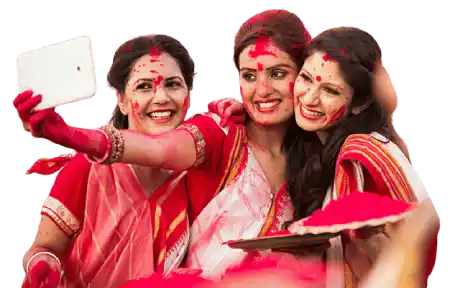
India celebrates hundreds of festivals each year, reflecting its religious and cultural diversity. Some of the most famous include:
-
Diwali – Festival of Lights
-
Holi – Festival of Colors
-
Eid al-Fitr – Celebrated by Muslims
-
Christmas – Celebrated by Christians
-
Navratri – Nine nights of devotion
These festivals are marked by music, dance, feasts, decorations, and family gatherings.
Language and Literature
India has 22 officially recognized languages, with Hindi and English widely used for communication and administration. Classical literature in Sanskrit dates back thousands of years, including epics like the Ramayana and Mahabharata.
Modern Indian literature spans many regional languages and themes.
Arts and Dance
India has a rich tradition of classical and folk arts.
Classical Dance Forms
-
Bharatanatyam (Tamil Nadu)
-
Kathak (North India)
-
Kathakali (Kerala)
-
Odissi (Odisha)
Music
Indian classical music is divided into:
-
Hindustani (North Indian)
-
Carnatic (South Indian)
In modern culture, Bollywood cinema based in Mumbai plays a major role in shaping music, fashion, and trends.
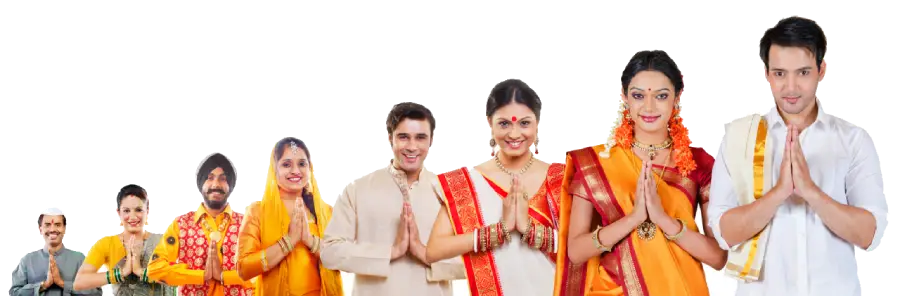
Traditional Clothing
Traditional attire varies by region:
-
Saree (worn by women across India)
-
Salwar Kameez
-
Kurta-Pajama
-
Dhoti
-
Sherwani
Clothing often reflects climate, religion, and regional identity.
Cuisine
Indian cuisine is known for its bold flavors and spices. Staple foods include rice, wheat, lentils, and vegetables. Popular dishes include:
-
Biryani
-
Butter Chicken
-
Dosa
-
Samosa
Each region has its own unique cooking style and ingredients.
Family and Social Structure
Family is the foundation of Indian society. Respect for elders, strong community ties, and traditional values remain important. Although urbanization has changed lifestyles, many cultural traditions continue to thrive.
Conclusion
The culture of India is a living tradition — dynamic, diverse, and deeply rooted in history. From spirituality and art to food and festivals, Indian culture continues to influence and inspire people around the world.
-
 MyMahotsav Admin
Responses