










Geography
India is the seventh-largest country in the world by land area. It shares borders with Pakistan, China, Nepal, Bhutan, Bangladesh, and Myanmar.
From the majestic Himalayas in the north to the tropical beaches of Goa and Kerala in the south, India offers diverse landscapes including deserts, forests, rivers, and plateaus.
History
India is home to one of the world’s oldest civilizations, the Indus Valley Civilization. Over centuries, it witnessed the rise and fall of powerful empires like the Maurya and Mughal dynasties.
India gained independence from British rule on 15 August 1947, led by freedom fighters including Mahatma Gandhi.
Culture
India is famous for its:
-
Festivals like Diwali, Holi, and Eid
-
Classical dances such as Bharatanatyam and Kathak
-
Yoga and Ayurveda
-
Bollywood film industry based in Mumbai
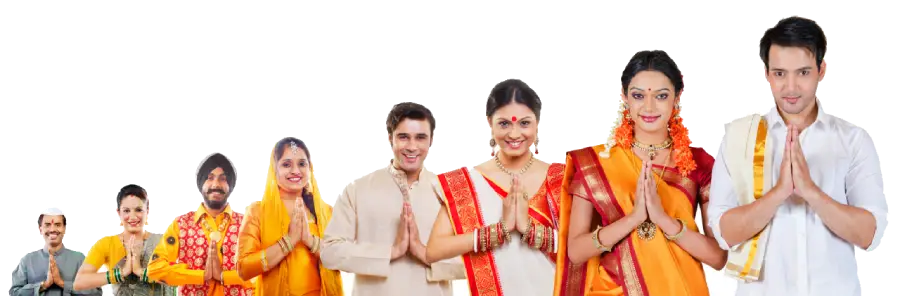
Traditional clothing includes sarees, salwar kameez, and kurta-pajama.
Economy
India has one of the fastest-growing major economies in the world. Key sectors include:
-
Information Technology
-
Agriculture
-
Manufacturing
-
Pharmaceuticals
-
Space Technology (ISRO)
Major tech hubs include Bengaluru, Hyderabad, and Pune.
Tourism
Popular tourist destinations include:
-
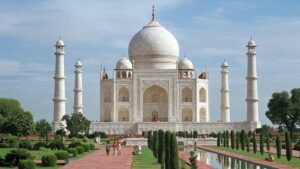
Taj Mahal
-
Jaipur
-
Kerala Backwaters
-
Varanasi
India attracts millions of visitors each year for its heritage, spirituality, food, and natural beauty.
Conclusion
India is a country of contrasts — ancient yet modern, traditional yet innovative. Whether you are exploring its historical monuments, tasting its rich cuisine, or experiencing its colorful festivals, India offers something unforgettable for every traveler.
 OLUWASEGUN OSENI
Responses